MS biosamples, ready for research.
Deeply characterized, linked to rich clinical data, and available to researchers worldwide at minimal cost.
What's in the ACP Repository
Research-ready biospecimens and extensive accompanying data from 3,200+ participants, spanning people with MS and related demyelinating conditions and healthy controls.
Multiple biospecimen types
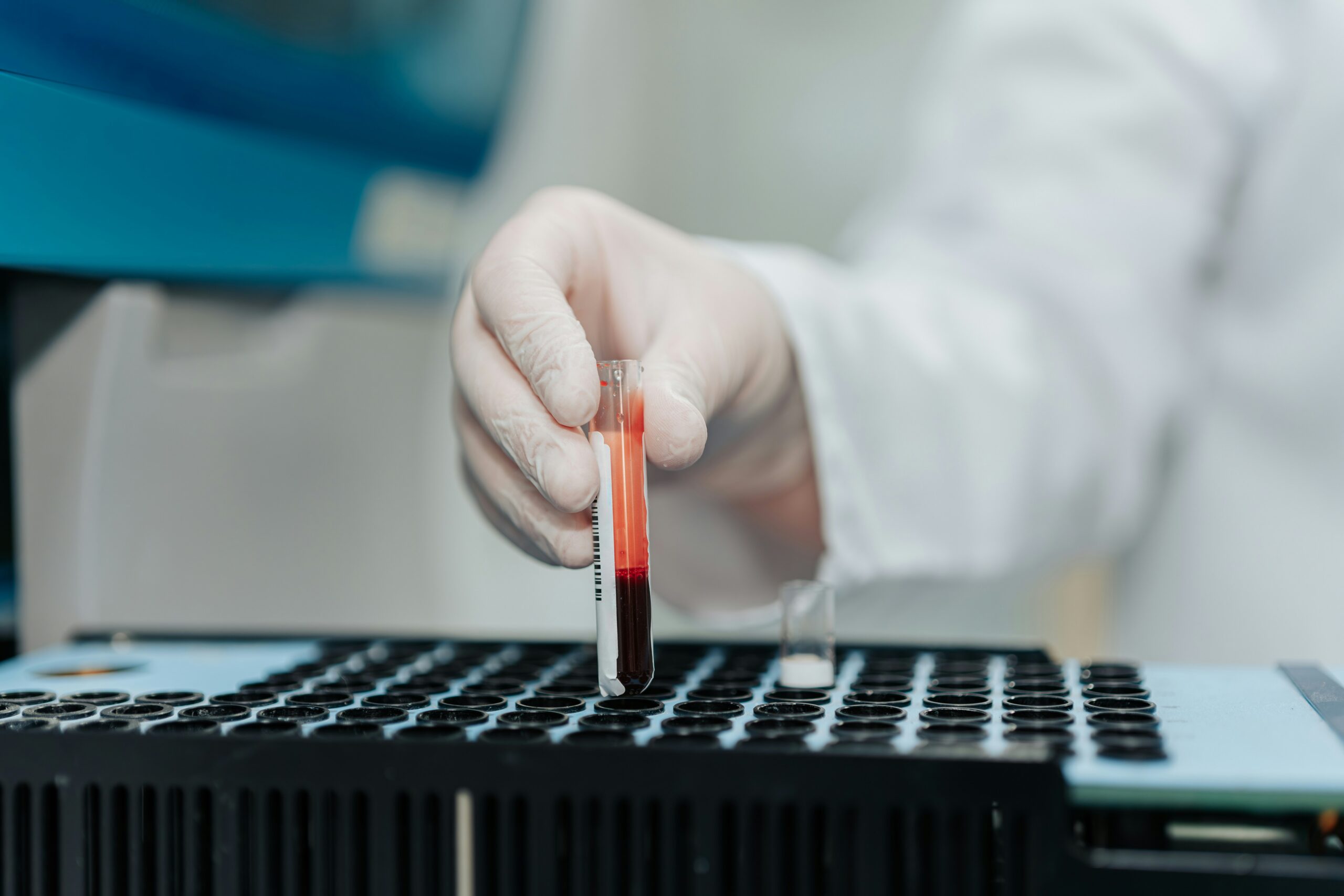
DNA, RNA, CSF, serum, plasma, and cryopreserved PBMCs, with samples well-characterized, quality-controlled, and collected to research-grade standards.
50+ pages of data per sample
Each sample is linked to detailed participant history, demographics, EDSS scores, MRI and CSF summaries, medication history, clinical exam findings, and more. Longitudinal data is also available for a subset of 462 people who provided samples at a second visit.
Industry-grade processing and storage
Collected at 10 major MS centers under a single standardized protocol, ensuring consistency across the entire collection. Maintained by an industry-grade biorepository vendor (Precision).
DNA, RNA, serum, plasma, PaxGene tubes, and cryopreserved PBMCs
A broad range of sample types to support diverse research approaches.
GWAS analysis available on all samples
Every sample includes GWAS analysis. Returned datasets, spanning genomic, transcriptomic, proteomic, epigenetic, immunologic, and SNP array data, grow the collection with every new study.
Multi-omics and biomarker data
Beyond exome and SNP array data, subsets of samples have generated proteomic (including O-Link), transcriptomic (RNA-seq for 2,000+ samples, qPCR), and epigenomic data (including Nanostring miRNA and methylation), along with metabolomic profiling. Additional biomarker data is available for EBV/MSRV status, myelin and CNS markers, serum neurofilament light (sNfL), autoantibodies, T-cell reactivity, and other immune markers.
Need longitudinal or prospective data?
The Repository is primarily cross-sectional, but its data can be linked to REAL MS, ACP's longitudinal patient-reported study through iConquerMS, for a more complete view over time.
Learn more about REAL MS
More than a biospecimen. A richer picture of MS.
Repository samples are connected to layers of clinical, genomic, molecular, and participant-reported data—giving researchers more context for every sample.
Data that grows with every study
Researchers using the Repository return generated data to the collection, expanding what’s available for future research and making the resource more valuable over time.
Connect samples with longitudinal experience
For participants also enrolled in iConquerMS, Repository data can be linked with longitudinal, participant-reported REAL-MS data—connecting biology with how MS changes and affects people over time.
Secure, cloud-based access
Repository-associated datasets are available through DNAnexus, allowing approved researchers to work with complex data without needing specialized local computing infrastructure.
Octave Bioscience is grateful for our long standing and productive partnership with ACP, which enabled the demonstration of proteomic associations with clinically defined relapse status in MS and was crucial in developing the multiple sclerosis disease activity (MSDA) Test.
Guided by scientific expertise
The science behind the Repository doesn't stop at the sample level.
ACP’s Scientific Steering Committee, comprising 11 scientists, clinicians, bioinformaticians, AI experts, and community advocates, helps ensure the Repository remains a high-impact, field-relevant resource. Our in-house scientific team is also available to help you think through your research direction and identify the right resources for your work.